Hakuba Valley Ski Resort
Hakuba Valley
- Projected Opening
- Dec 04
- Projected Closing
- Apr 25
- Lifts
- 94
- Trails
- 119
- Skiable Terrain
- 2,301 ac
- Base
- 2,461'
- Summit
- 6,007'
- Vertical Drop
- 3,547'
- Average Snowfall
- 246"
- Dec100"
- Jan119"
- Feb22"
- Mar5"
Related News


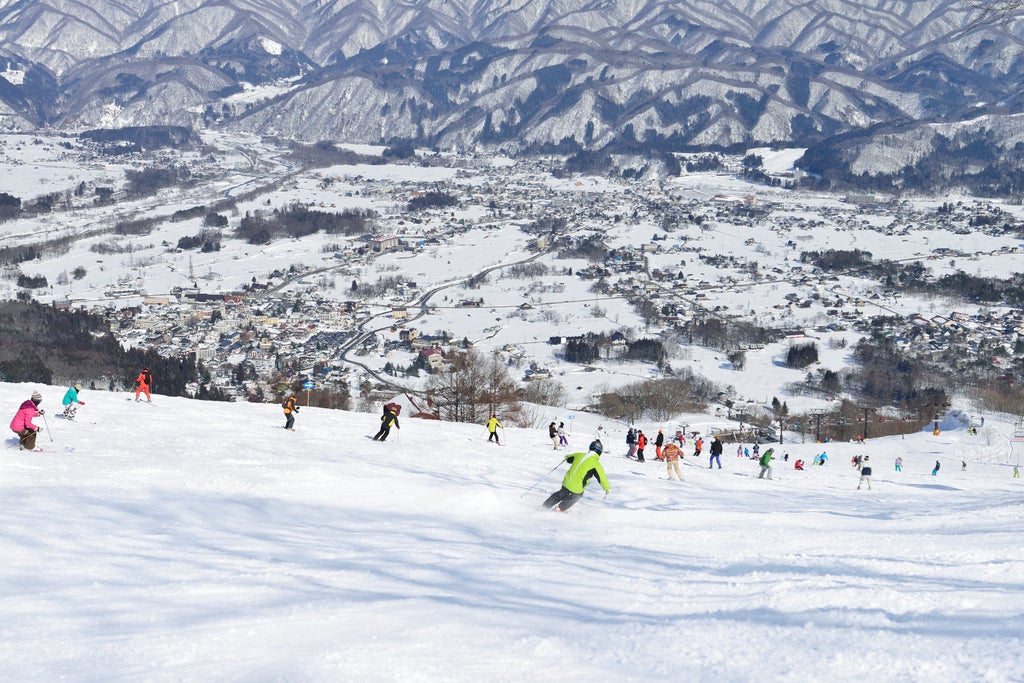
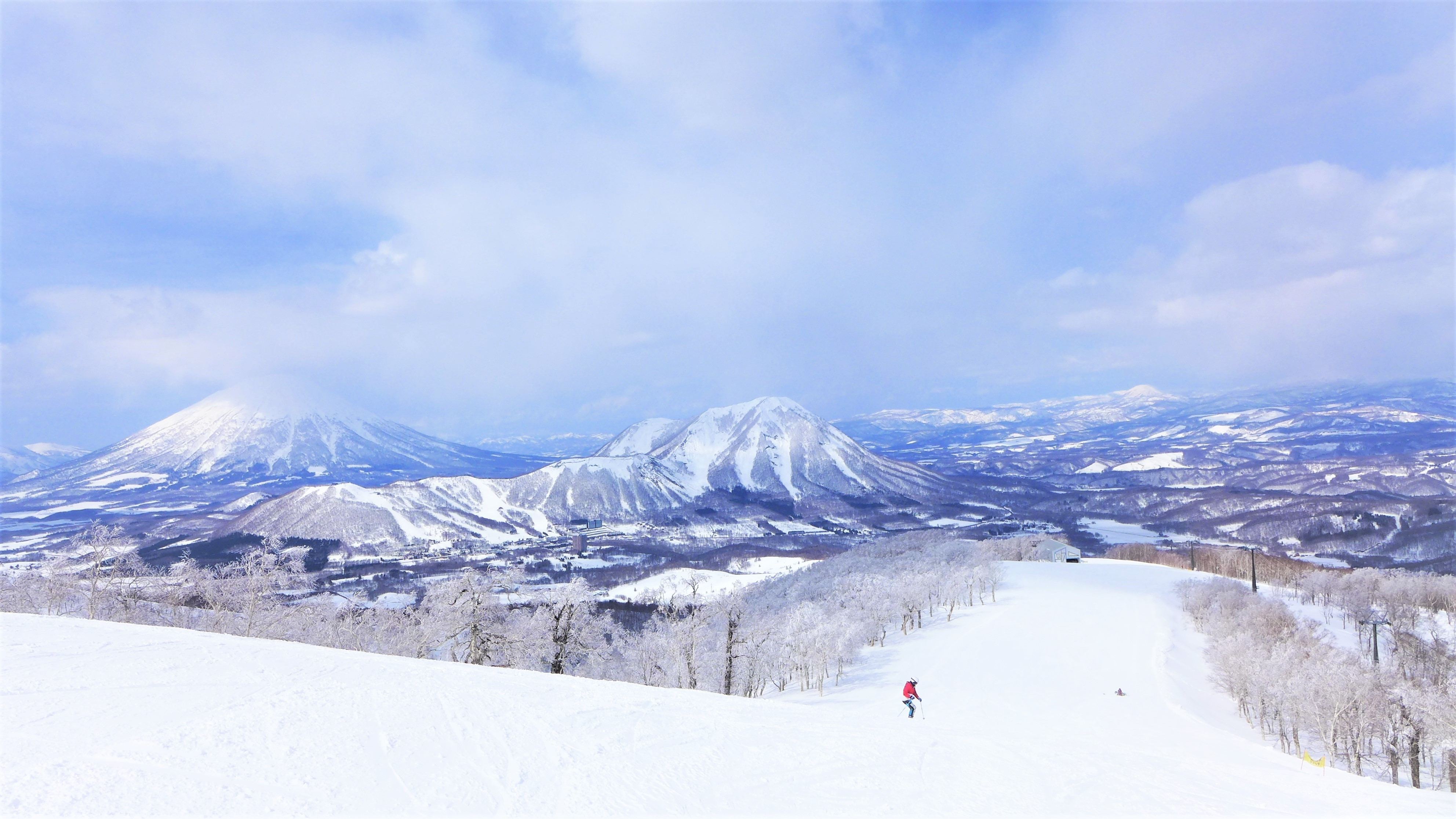
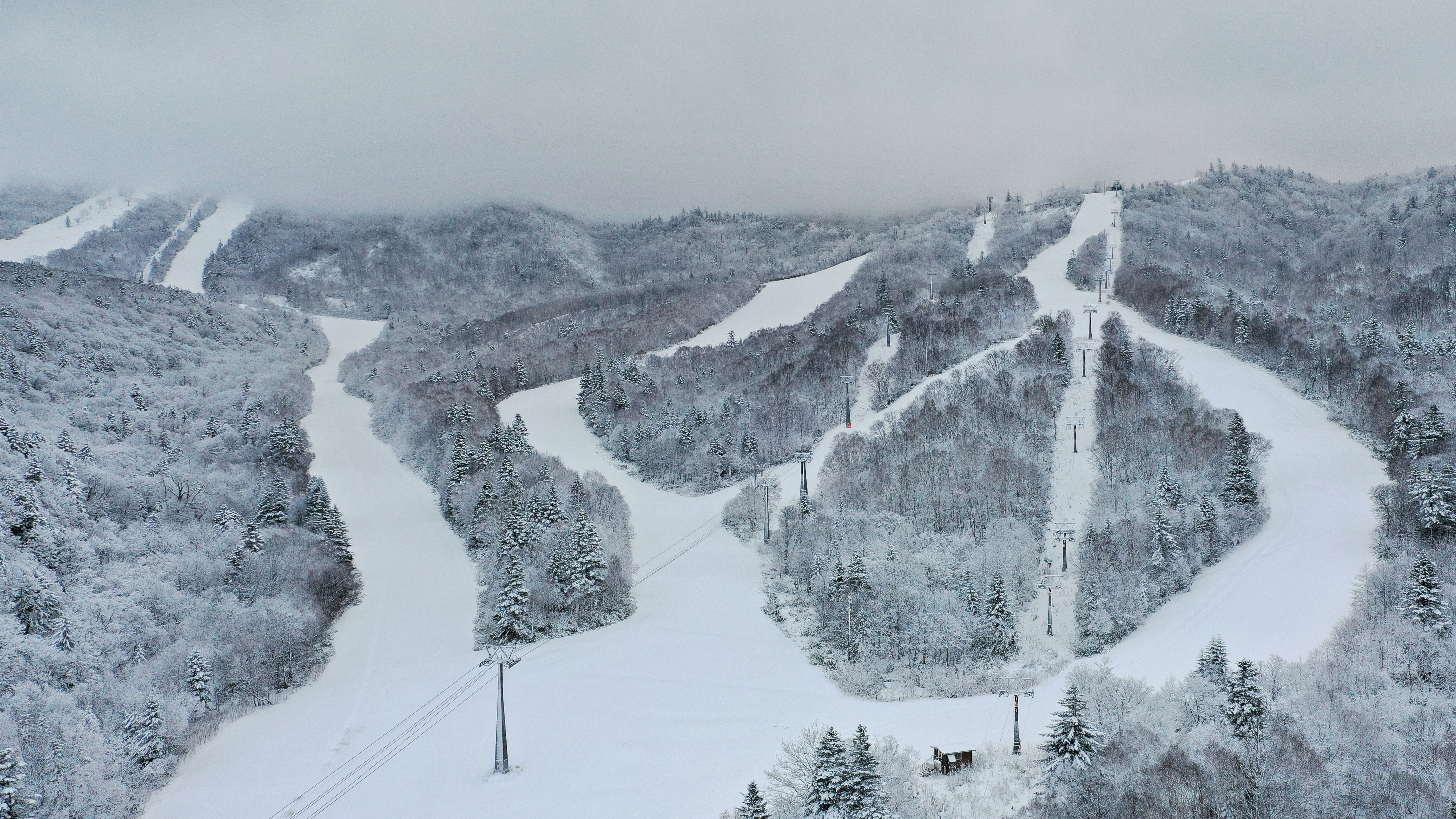
Hakuba Valley is situated in the Japanese Alps of Nagano Prefecture, offering skiers and snowboarders access to one of Japan’s largest and most diverse winter sports regions. The 10 resorts within the valley span 2,301 acres of skiable terrain and feature 119 trails served by 94 lifts. Elevations range from 2,461 feet at the base to 6,007 feet at the summit.
Families are well catered for, with kid-friendly zones, English-speaking ski schools, tubing lanes, and gentle slopes concentrated in resorts such as Tsugaike Kogen, Iwatake, and Kashimayari. Off the slopes, activities include snowshoeing, and indoor play areas, with accommodation options that support multi-room family stays and ski-in/ski-out convenience. With well-connected base areas and day-care services available in select locations, it’s an ideal setup for families seeking both adventure and comfort.
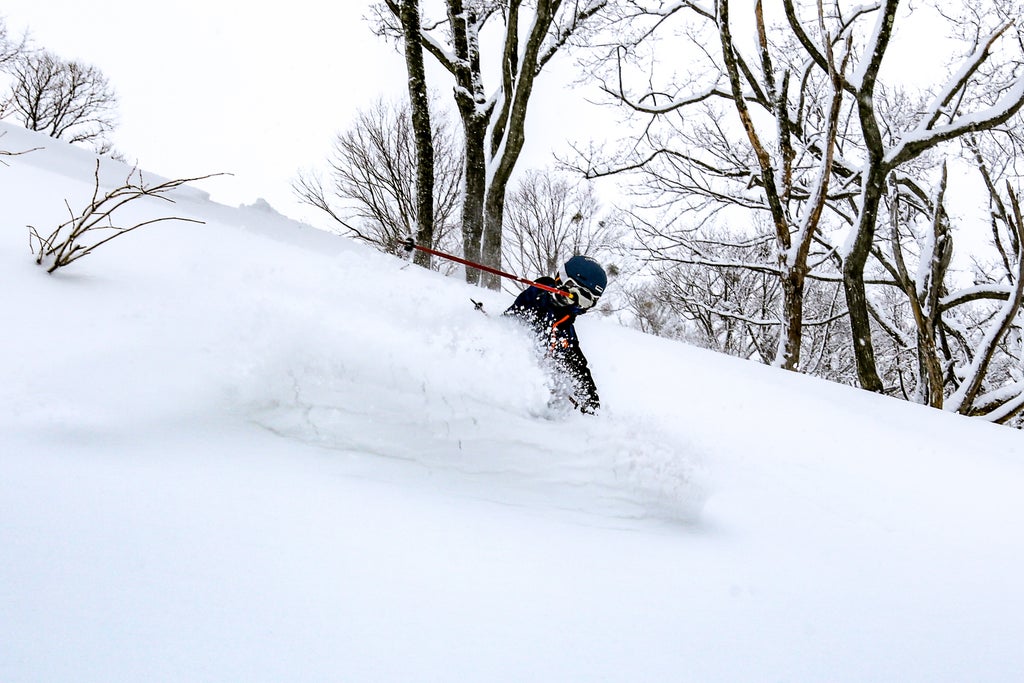
What makes Hakuba Valley especially appealing is the resort’s sheer variety across 10 interconnected ski areas. Guests can expect incredible powder conditions, extensive groomed runs, access to backcountry gates, and rich cultural touches — from onsen baths to traditional ryokans. With terrain suited to both progression and exploration, Hakuba remains a top choice for visitors looking for scenic, multi-resort access and a mix of technical skiing and authentic Japanese hospitality.
Hakuba Valley
- Projected Opening
- Dec 04
- Projected Closing
- Apr 25
- Lifts
- 94
- Trails
- 119
- Skiable Terrain
- 2,301 ac
- Base
- 2,461'
- Summit
- 6,007'
- Vertical Drop
- 3,547'
- Average Snowfall
- 246"
- Dec100"
- Jan119"
- Feb22"
- Mar5"
Plan Your Trip
Transportation
The most convenient way to reach Hakuba Valley is via Narita or Haneda airports, followed by a transfer to Nagano Station using the Shinkansen bullet train. From Nagano, regular shuttle coaches run directly to Hakuba’s central bus terminal and major hotel areas. Alternatively, Matsumoto Airport offers domestic flights and a slightly shorter road transfer. Direct coaches from Tokyo are also available during peak season, saving travellers the train step altogether.
Within the valley, shuttle buses connect the various resorts, lodgings and town centres. Many hotels and chalets offer complimentary transfers to lifts, with ski-in/ski-out properties eliminating the need for transport entirely. Parking is free and plentiful at most resort bases, and local taxis and ride-share services operate across key zones like Happo and Echoland. Gondola stations and ropeways throughout Hakuba offer seamless mountain access; however, the resorts are not fully interconnected via lifts and courses. Goryu and Hakuba 47 are linked at the top via a gondola and a shared lift ticket, while Cortina and Norikura are connected by courses and chairlifts going both ways.
Unlike many ski areas in Japan, Hakuba Valley operates a night bus, which makes it easier for visitors to move around the Hakuba and Happo villages in the evening and visit restaurants and bars. It also means travelers arriving at Hakuba Station late at night can still make it to popular hotels near stops in areas like Echoland and Wadano. If you’re arriving late or want to make best use of the bus, be sure to book a hotel on the route.
Important Dates
- Projected opening dateDec 04, 2026
- Projected closing dateApr 25, 2027
- Years Open66
- Average Snowfall246"
Hakuba Valley spans 10 resorts, each with a distinctive character. Happo-One is the largest and most advanced, hosting long groomers and steeper fall lines, perfect for seasoned skiers. Tsugaike Kogen offers wide, open slopes ideal for beginners and families, while Iwatake provides panoramic views and a balanced mix of pistes for intermediate riders. Smaller resorts such as Sanosaka and Norikura cater to quieter, more relaxed skiing.
Beginner-friendly terrain is abundant in Tsugaike Kogen and Iwatake, where nursery slopes, low-gradient groomers and gentle transitions help build confidence. Ski schools in these areas offer group and private lessons in multiple languages, and kid zones are often located near rest areas and eateries. Snow play parks with tubing and sledding also add variety for younger visitors.
Intermediate skiers enjoy the most diversity across the valley, particularly in resorts like Happo-One and Goryu. Trails such as "Riesen Slalom Course" in Happo-One and the "Champion Dynamic Course" in Goryu offer sweeping descents with undulating pitch and scenic surroundings. Lift systems are modern and well spaced, with high-speed quads and gondolas reducing wait times.
Happo-One, Cortina, and Hakuba 47 also offer some of the best advanced terrain, where steeper chutes and challenging powder stashes await. At Happon-One, runs like "Olympic Course 2" and "Skyline" offer sustained speed and complex turns, with natural features and mixed conditions often adding intensity. On fresh snow days, tree skiing zones in Cortina attract adventurous skiers looking for untouched powder fields. Hakuba Valley has some of the steepest in-bounds terrain in Japan.
Expert skiers seeking freeride opportunities can make use of Hakuba’s backcountry gate access. The backcountry gate in Happo-One and the lift-accessible ridges in Norikura open up to bowls and glades (lightly wooded terrain) with steep descents and varied lines. Avalanche gear is required, and some gates are weather-dependent, but the options for off-piste exploration are extensive.
Terrain parks are spread across five resorts — Hakuba 47, Goryu, Iwatake, Tsugaike Kogen, and Norikura — each offering unique setups for freestyle riders. Features include kickers, rails, pipes and jib zones, with Hakuba 47 being the most extensive and frequently reshaped. Night skiing is available in select areas, offering floodlit pistes and a fresh dimension to the valley’s terrain diversity. Night skiing only happens on certain peak days, and some resorts that formerly offered night skiing no longer do so. Make sure to check the official resort websites to confirm operation and for schedules.
Terrain
Lifts
94Inside Scoop
For peak powder days, visit Hakuba between the third week of January and early February. During this window, the snow is dry, consistent and less wind affected. In the spring, early morning runs in Happo-One — especially on “Skyline Course” and “Riesen Slalom Course” — tend to hold the best conditions before the sun hits.
The "Champion Expert” piste in Goryu is a thrilling ride if tackled right after it’s groomed; its steep but wide layout makes it ideal for carving at speed while still enjoying clear mountain views.
If you're seeking a quieter slope head to Jiigatake Ski Resort. It’s perfect for beginners and low-intermediates who want uninterrupted turns without worrying about congestion.
For scenic moments and photography, take the gondola up to Iwatake’s “Hakuba Mountain Harbor", where you can see the Hakuba Valley framed by snow-covered roofs and distant peaks. On a sunny day, early afternoon light around 1:30 p.m. gives you the best chance at dramatic shadows and clear views.
Need a restorative break? Drop into "Usagidaira Terrace” at the upper terminal of the Happo gondola. Hot drinks, delicious local food, and ample seating make it an ideal recharge point before afternoon laps.
Families should swing by Snow Wow Tsugaike after lunch. Kids can try snow racers, toboggans, snow bikes, snow skates, tubing, and an outdoor adventure park.
For breakfast, visit “Sounds Like Café” in Echoland. With strong coffee, bacon and eggs, and French toast, it’s the perfect way to start your day in the mountains.
Don’t skip the snowshoe tours at Iwatake. There are three forest courses to choose from at the top of the gondola. You can rent snowshoes and follow the course by yourself or take a guide. Minimal traffic and soft snow make it a peaceful contrast to the pistes. You might even spot some mountain deer.
Want a dose of freestyle energy? Hit Hakuba 47's terrain park in the afternoon. You can hire an instructor from the nearby Japan Park School or just watch as the locals get big air in Hakuba’s premier snow park.
Finally, get a night ski pass at Goryu for a more intimate experience. With only a handful of runs floodlit and fewer guests, it’s a quiet way to end the day. The runs are groomed before each night session, so get there early to enjoy perfect pistes under the floodlights.
Reviews
All Reviews »I visited Hakuba Valley in early March for some spring skiing. It was raining in Nagano, but still snowing in the mountains enough to do the tree runs. Hakuba is a vast area of partially interlinked resorts with easily the steepest terrain in Japan. On and off-piste there are runs steep enough to sa…