Furano Ski Resort
Furano
- Projected Opening
- Nov 28
- Projected Closing
- May 05
- Lifts
- 11
- Trails
- 28
- Skiable Terrain
- 479 ac
- Base
- 771'
- Summit
- 3,524'
- Vertical Drop
- 2,753'
- Average Snowfall
- 294"
- Dec104"
- Jan96"
- Feb65"
- Mar23"
- Apr4"
Related News


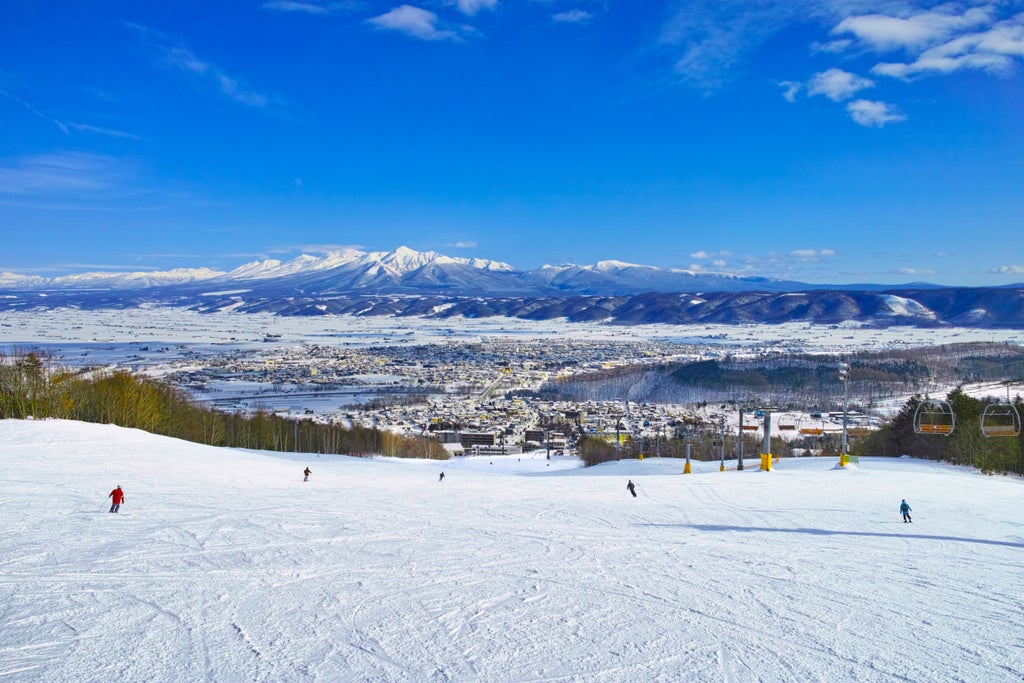
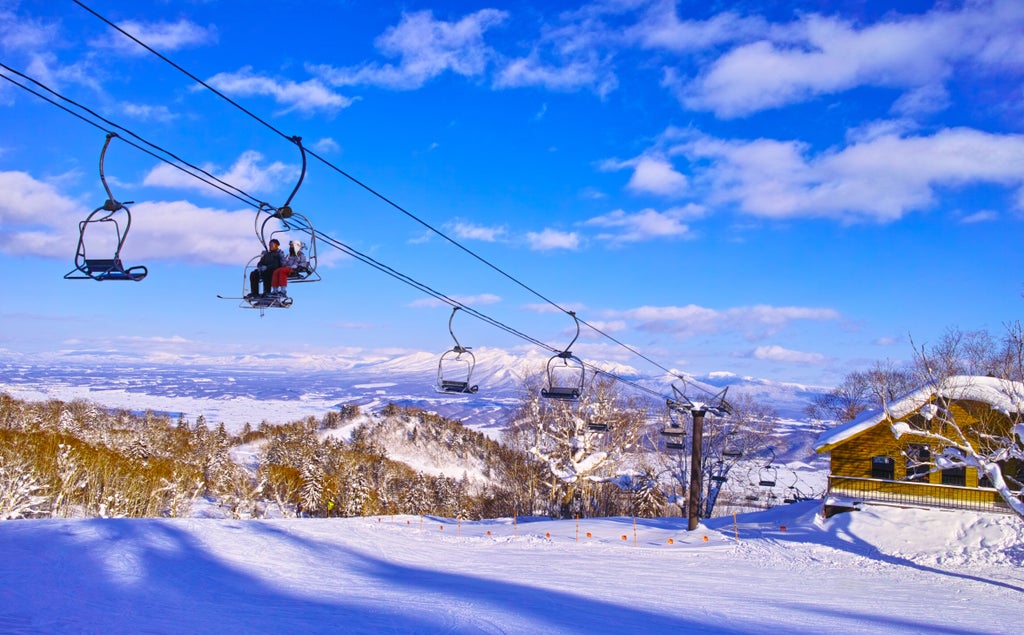
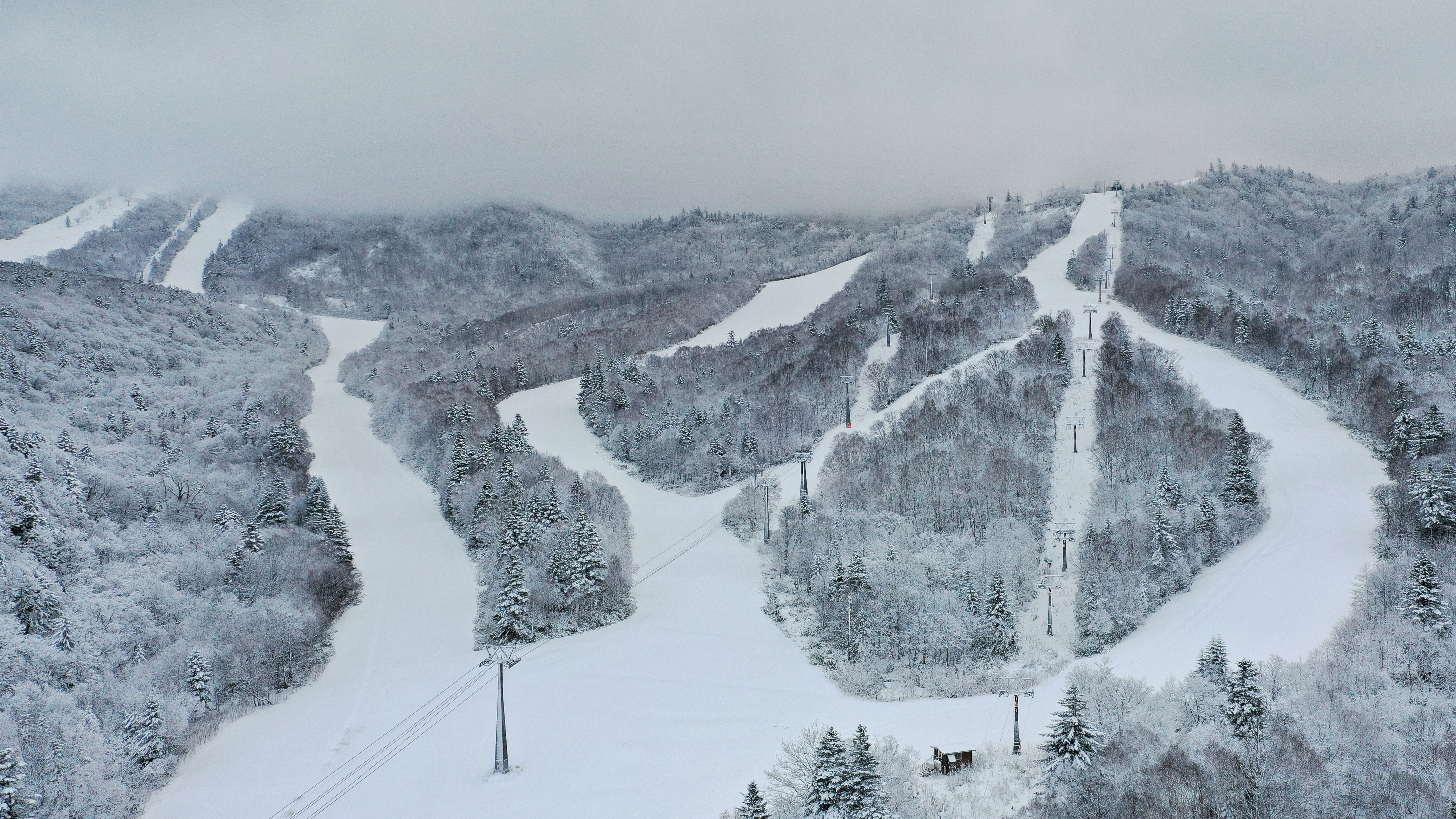
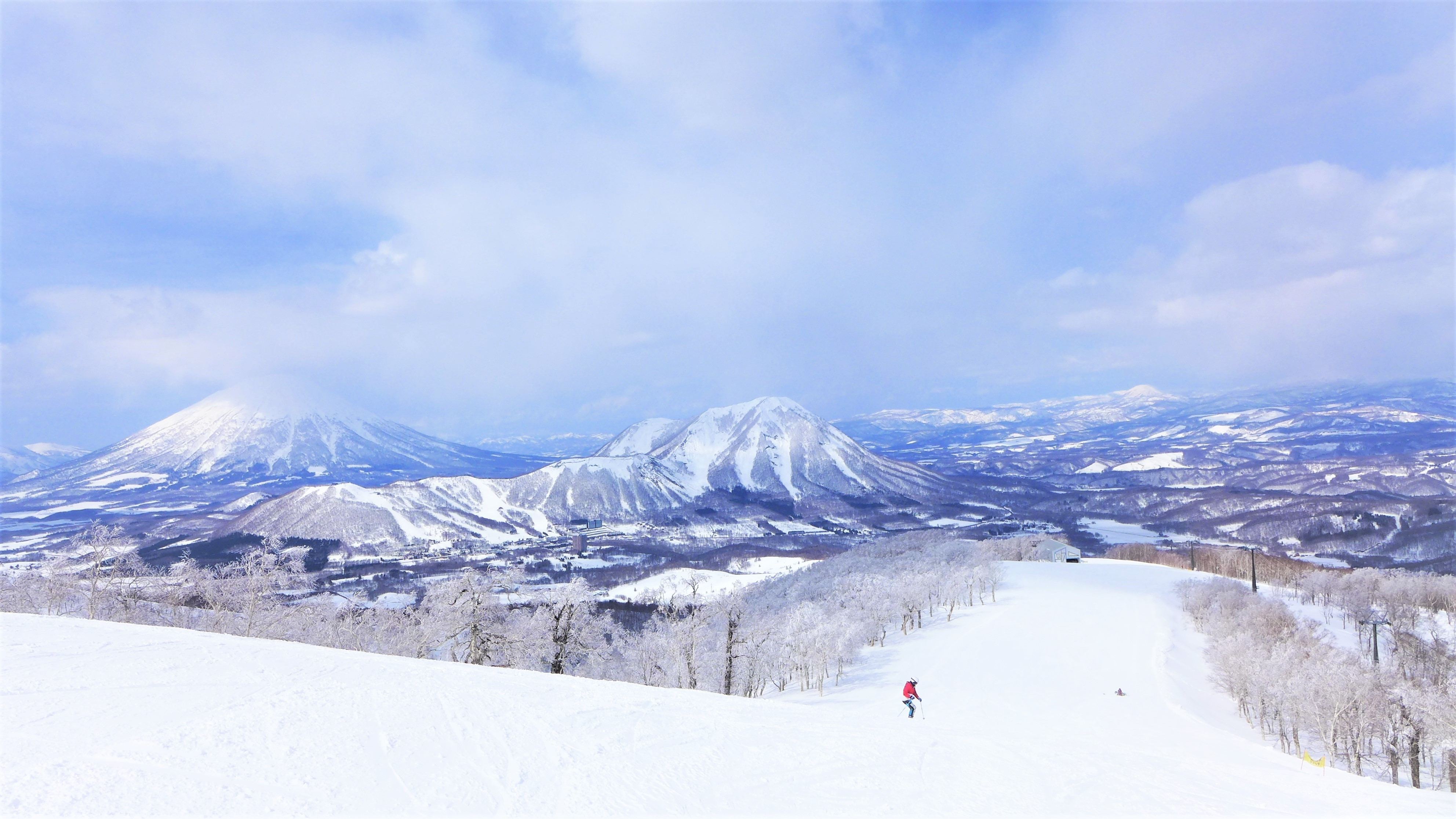
Furano Ski Resort is located in central Hokkaido, Japan, within the Daisetsuzan National Park region. The resort spans 479 acres of skiable terrain and is renowned for its dry continental climate, which provides frequent snowfall and excellent powder conditions. With a summit elevation of 3,524 ft and a vertical drop of 2,753 ft. Furano offers 28 trails spanning 16 miles in length, serviced by 11 lifts including gondolas, quads, doubles and surface lifts.
Families are well catered for, with beginner zones at the base of the mountain, English-speaking ski schools, and Furano Snow Land, a dedicated area featuring snow rafting a banana boat, snowmobiles, sledding, and snowshoeing. Convenient ski-in/ski-out accommodation and walkable resort access mean minimal stress for groups with children or varying skill levels if you're staying at the base area. Amenities are thoughtfully arranged so you can get from breakfast to the slopes in minutes.
Furano appeals to visitors looking for a refined alpine experience with dependable snow quality, efficient lift systems and a more relaxed setting compared to busier Japanese resorts. Its combination of authentic local culture, panoramic backdrops and a compact, manageable layout makes it a well-rounded destination for skiers who want scenery, substance and a bit of solitude.
Furano
- Projected Opening
- Nov 28
- Projected Closing
- May 05
- Lifts
- 11
- Trails
- 28
- Skiable Terrain
- 479 ac
- Base
- 771'
- Summit
- 3,524'
- Vertical Drop
- 2,753'
- Average Snowfall
- 294"
- Dec104"
- Jan96"
- Feb65"
- Mar23"
- Apr4"
Plan Your Trip
Transportation
Furano Ski Resort can be reached from Asahikawa Airport (about 30 miles away) or New Chitose Airport near Sapporo (roughly 75 miles). Both airports offer winter-season bus transfers with scheduled departures throughout the day. Alternatively, travellers can take the train to Takikawa Station and connect via local rail to Furano Station, then take the local bus. If you're used to driving on snowy roads, driving is also straightforward via National Route 237, which is regularly maintained during winter months.
The inexpensive Lavender Bus offers limited service in the morning and evening to shuttle visitors from Furano town to the ski resort, making stops at major hotels and landmarks, and continuing to Asahikawa and its airport. Parking is available at both the Kitanomine and Furano zones. Guests staying in slope-side lodgings enjoy ski-in/ski-out convenience, while those downtown benefit from access to the town's stores, restaurants, and bars. The Furano Ropeway is a key lift offering fast vertical ascent with scenic views.
Important Dates
- Projected opening dateNov 28, 2026
- Projected closing dateMay 05, 2027
- Projected Days Open159
- Days Open Last Year158
- Years Open95
- Average Snowfall294"
Furano Ski Resort consists of two connected zones: the Furano Zone and the Kitanomine Zone. Both are accessible with a unified lift pass and linked via inter-resort transport. The courses span 16 miles and offer a mix of groomed runs, ridgeline traverses and off-piste access points. Furano's summit rises to 3,524 feet, providing excellent vertical and stunning views on a clear day.
Both the Kitanomine and Furano bases are beginner-friendly, with wide, gently sloped pistes, surface lifts and nearby instructional facilities. The Snow Land play zone is at the Furano base area, making it a draw for families and younger skiers. Base-to-midstation runs here offer learners space to progress.
Intermediate skiers have the widest selection, with nearly half of the resort’s terrain dedicated to blue-level pistes. The 2.5-mile cruiser from top to base in Furano Zone is ideal for building rhythm and taking in the surrounding alpine scenery. Good grooming and moderate pitch make it one of the most popular runs at the resort.
Advanced riders will appreciate steeper courses in the upper Furano Zone, some of which have been used for World Cup races. The technical course features sustained pitch and suitable conditions for fast edge control. When fresh snowfall hits, this area delivers excellent powder access and a challenging descent.
For expert-level skiing, the top sections of Mount Furano give access to the backcountry via several gates with some of the longest continuous fall-line skiing in Hokkaido, which lead back into the resort for efficient laps.
Freestyle skiers can head to the snowpark in Kitanomine, equipped with basic rail features and designated jump zones. It is suitable for intermediate trick training and casual afternoon sessions.
Terrain
Lifts
11Inside Scoop
Plan your visit to Furano between mid-January and mid-February — this is when the resort sees peak powder consistency. Or, visit in late February or March for fewer crowds and sunnier skies — just keep in mind that Chinese New Year can be a busy and festive time at the resort. Lifts open at 8:30 am, and the Furano Ropeway provides access to untouched upper terrain in those first early laps.
On powder mornings, start at the "Technical" course — its positioning shields it from wind and holds snow longer. The slope is moderately steep and usually offers the best first tracks after a storm. It is also directly reachable from the Ropeway exit, so you will beat most groups to it.
If you prefer mellow lines, head to the Kitanomine base between 11:00 a.m. and 1:00 p.m. This zone becomes surprisingly quiet late morning and early afternoon. Parents with kids will find space to ski side-by-side, and the tubing lanes nearby make for a great mid-day change of pace.
Snowpark riders should time their session for around 14:00, when light softens and conditions stabilize. While compact, the park offers rails and jumps that are perfect for low-risk progression. Locals often gather here late afternoon, adding an energetic vibe without being overwhelming.
Looking for après-ski without leaving the resort? Try Restaurant Downhill — positioned at the top of the ropeway, it features a dining area with panoramic views and serves Japanese specialties. It is a unique mountaintop stop where you can unwind with a hot drink by the fireplace.
Prefer scenic solitude? Try Furano Zone’s "Sailer" course. This ungroomed intermediate run is a notable feature of the Furano Zone, renowned for its challenging descent and stunning views, making it a favorite among experienced skiers.
Dinner in town? Save time and pick a spot near Furano Station — many izakaya-style restaurants there welcome skiers with boot-friendly seating and hearty winter meals. It is also a useful base if you are commuting via train or staying in town.
And for one last run before packing up, hit the "Spies" course just after 3:30 p.m. Most skiers have moved indoors by then, and the piste settles into a fast, smooth groove perfect for final laps. It is an energizing way to end the day and a reminder of why Furano’s layout works so well.
Reviews
All Reviews »We used Furano as a base to explore central Hokkaido. The resort itself is good, plenty of varied terrain, long top to bottom runs, good variety for beginners, intermediates and experts, a fast gondola, and lots of super-dry powder. It’s the most famous and largest resort on this side of the island.…